 Travel Smart. Explore More.
Munnar is one of Kerala’s most distinctive hill destinations, known for rolling tea plantations, misty valleys, mountain roads and the biodiversity of the Western Ghats. Located in Idukki district at about 1,600 metres above sea level, Munnar is formed around the confluence of the Muthirapuzha, Nallathanni and Kundala mountain streams.
The destination is more than a scenic hill station. A well-planned Munnar trip can combine tea estates, wildlife, viewpoints, lakes, waterfalls, local food and short nature excursions. Kerala Tourism identifies Eravikulam National Park, Anamudi Peak, Mattupetty, Kundala, Top Station, Chinnakanal, Anayirangal and the Tea Museum among the major attractions.
Why Munnar Is Worth Visiting
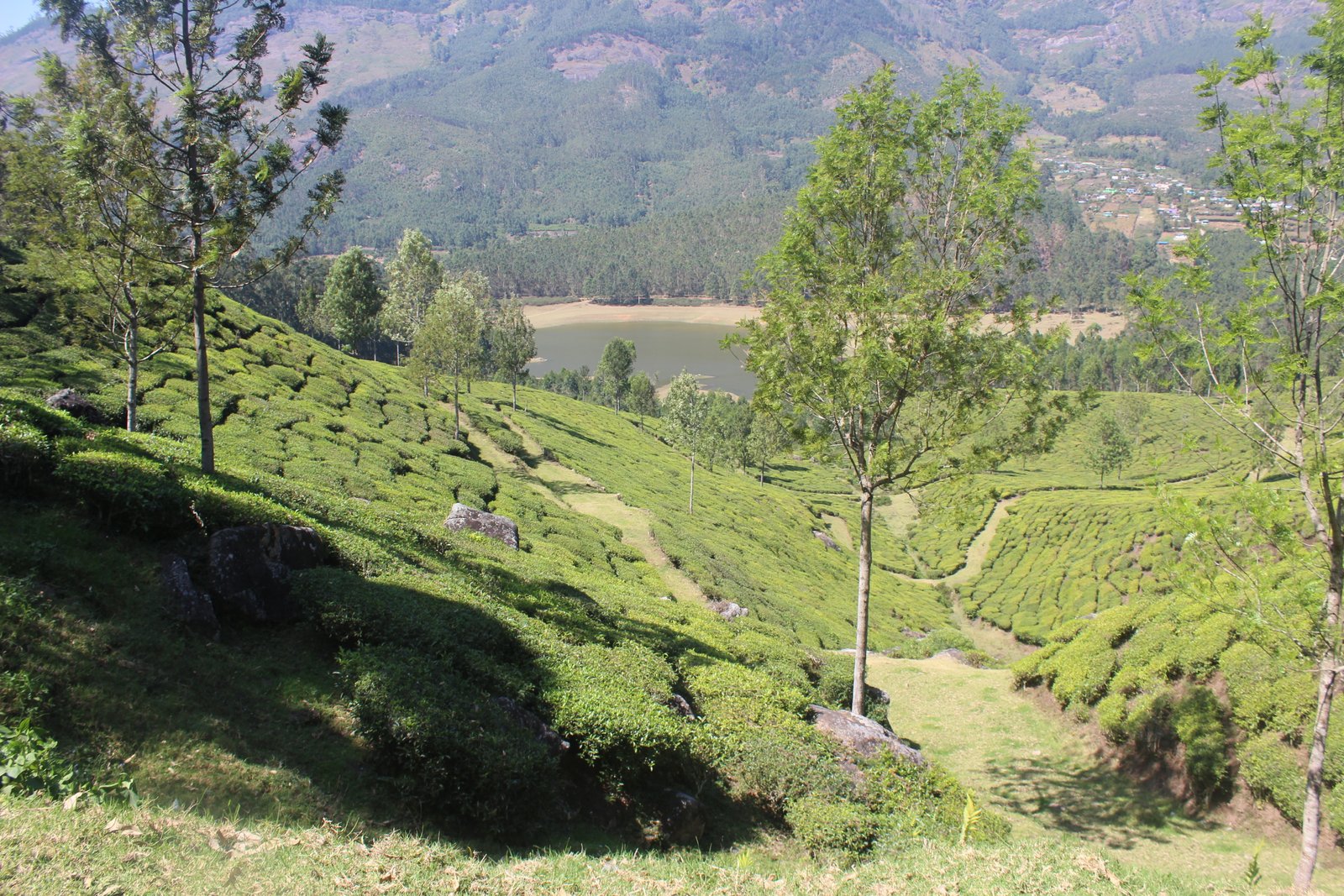
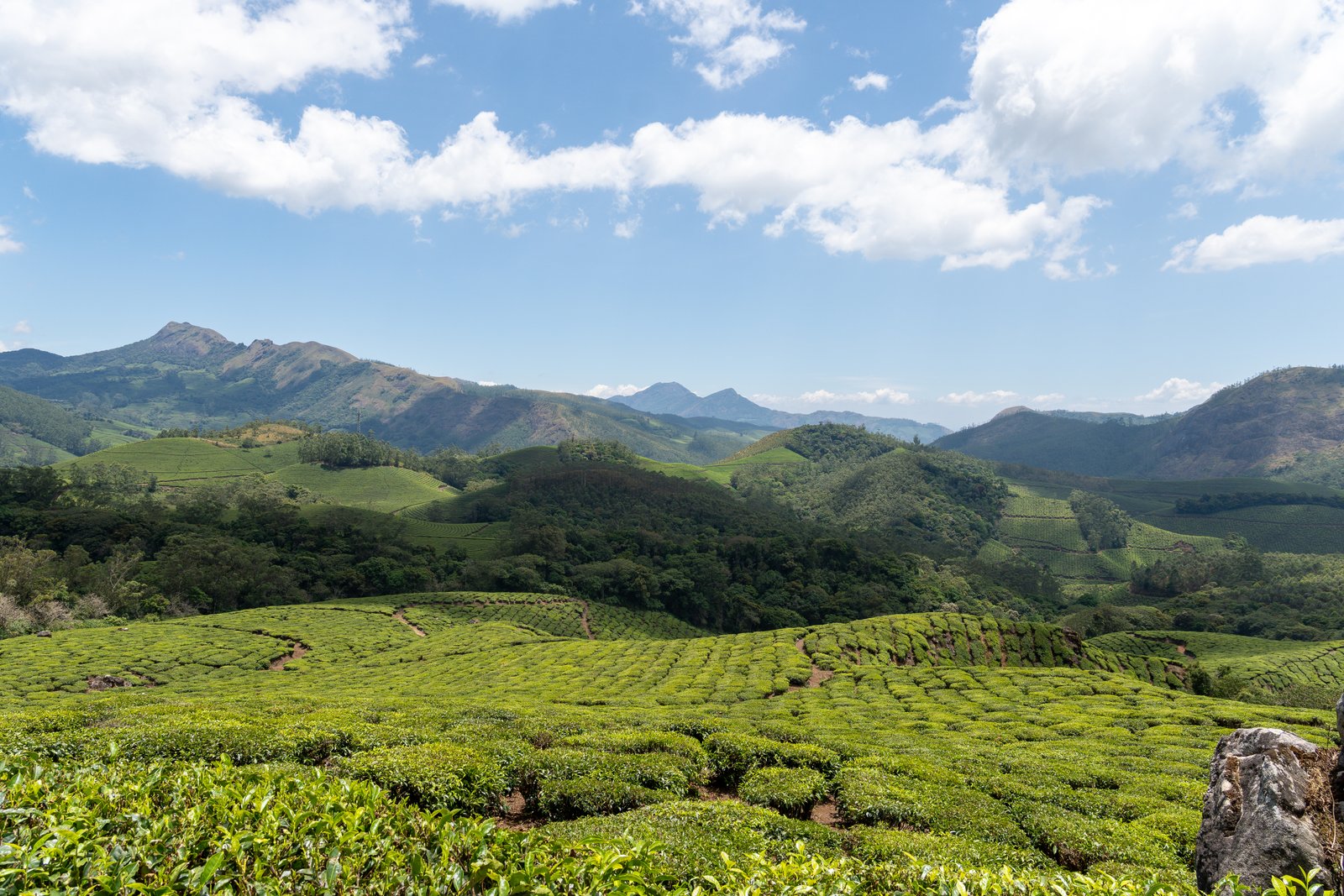
Munnar’s main attraction is the landscape itself. Tea-covered slopes extend across the hills, while higher viewpoints open towards the Western Ghats. The region also has forests, waterfalls, reservoirs and protected wildlife habitats.
Kerala Tourism describes Munnar as a hill station at approximately 1,600 metres above sea level and notes its tea plantations, waterfalls, biodiversity and the meeting point of three mountain streams.
1. Munnar Tea Plantations
The tea plantations are the visual identity of Munnar. Many of the surrounding hills are covered with carefully maintained tea gardens, creating the characteristic green landscape seen on the approach to the town and around the nearby viewpoints.
A tea-estate drive is one of the easiest ways to experience the landscape. Travellers should respect plantation boundaries and use designated viewpoints or authorised trails rather than entering restricted plantation areas.
2. Eravikulam National Park
Eravikulam National Park is one of Munnar’s major attractions and is particularly known for the Nilgiri Tahr. Kerala Tourism states that the park covers about 97 square kilometres and is also associated with the rare Neelakurinji flowering cycle.
The park is a protected area, so access, visitor zones, trekking routes and seasonal restrictions can change. Check the latest official information before travelling.
3. Mattupetty Dam and Lake
Mattupetty is a popular excursion from Munnar. The area is known for its masonry dam, reservoir and scenic surroundings. Kerala Tourism also notes boating facilities at Mattupetty.
The drive towards Mattupetty passes through attractive mountain scenery and tea plantations. It can be combined with Echo Point, Kundala and Top Station to create a full-day sightseeing circuit.
4. Kundala Lake and Dam
Kundala is located on the route towards Top Station and is known for its artificial dam, lake and surrounding tea plantations. Kerala Tourism describes Kundala as a scenic stop and notes that the area is covered by the DTPC’s Tea Valley Tour along with Mattupetty, Echo Point, Top Station and Rajamala.
5. Top Station
Top Station is one of the best-known viewpoints around Munnar. Kerala Tourism places it at about 1,700 metres above sea level and highlights its panoramic views of the Western Ghats and the surrounding valleys.
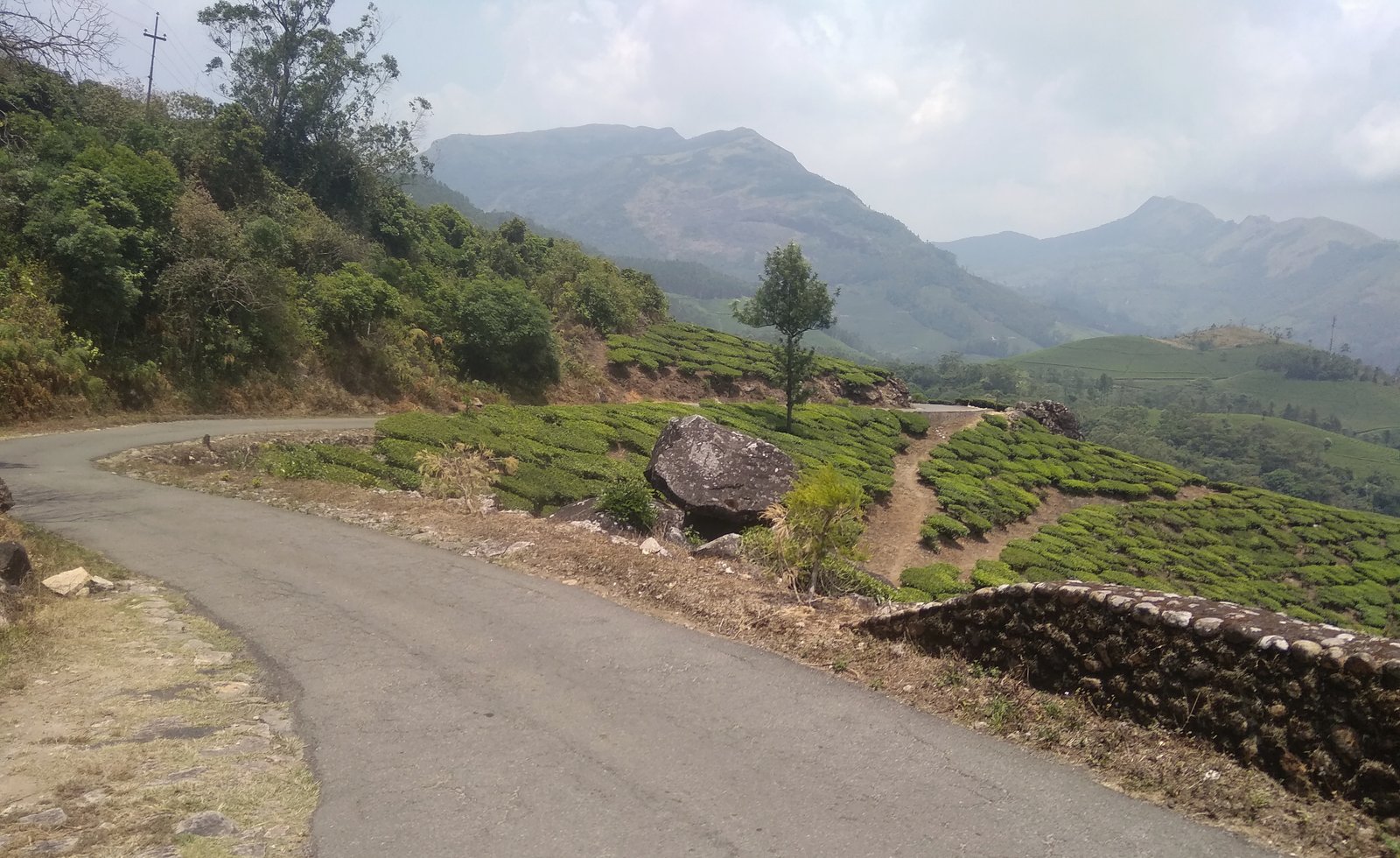
The route itself is part of the experience, with winding mountain roads, tea plantations and changing views. Visibility can vary significantly with weather, so the landscape may look completely different on a clear day compared with a misty day.
6. Tea Museum
The Tea Museum is useful for travellers who want to understand why tea became central to Munnar’s identity. Kerala Tourism says the museum at Nallathanni Estate preserves artefacts, photographs and machinery connected with the history of tea production in the region.
A visit to the museum can be combined with a tea-estate drive and a relaxed afternoon in Munnar town.
7. Waterfalls and Scenic Stops
Munnar and the surrounding region have several waterfalls and viewpoints. Chinnakanal, Attukad and Lakkam are among the places associated with the wider Munnar sightseeing circuit.
Water flow varies according to the season, so do not expect every waterfall to look the same throughout the year. During heavy rain, roads and trails can also become slippery or temporarily restricted.
Suggested 3-Day Munnar Itinerary
Day 1: Munnar Town and Tea Experience
- Arrive in Munnar and check in.
- Explore the tea plantations around the town.
- Visit the Tea Museum.
- Spend the evening around Munnar town or at a scenic viewpoint.
Day 2: Mattupetty, Kundala and Top Station
- Start early for Mattupetty Dam.
- Continue towards Echo Point and Kundala.
- Visit Kundala Lake.
- Continue towards Top Station if road and weather conditions permit.
- Return to Munnar by evening.
Day 3: Eravikulam National Park and Local Sightseeing
- Visit Eravikulam National Park subject to current entry and operating conditions.
- Explore nearby tea estates and viewpoints.
- Visit a waterfall or another local attraction depending on weather.
- Begin the return journey after sightseeing.
Suggested 4-Day Munnar Itinerary
With four days, the itinerary can be less rushed. Keep one day for the Mattupetty-Kundala-Top Station circuit, one day for Eravikulam and nearby attractions, and another day for tea estates, waterfalls or a longer excursion such as Marayoor or Chinnar depending on your interests.
How to Reach Munnar
Munnar does not have its own airport or major railway station. Kerala Tourism lists Cochin International Airport as the nearest airport at roughly 110 kilometres, while Aluva and Ernakulam are among the nearest railway connections depending on the route.
For travellers arriving by air, a road journey from Kochi airport is the most practical option. Travel time varies with traffic, road conditions and weather, so allow sufficient buffer rather than relying on an exact travel duration.
Best Time to Visit Munnar
Munnar can be visited in different seasons, but the experience changes considerably with weather. The cooler months are popular for sightseeing, while the monsoon can bring heavy rain, mist and lush scenery but may also affect road and outdoor activity conditions.
If your priority is clear mountain views, check the forecast close to the travel date. If you prefer misty landscapes and greener surroundings, rainy-season travel can be attractive, but you should keep the itinerary flexible.
Munnar Travel Tips
- Carry a light jacket because temperatures can be cooler than in Kerala’s coastal cities.
- Start sightseeing early to make better use of daylight.
- Keep flexibility for mist, rain and road conditions.
- Wear comfortable shoes for viewpoints and nature walks.
- Do not enter restricted forest or plantation areas.
- Follow current entry rules at Eravikulam National Park and other protected areas.
- Do not feed wildlife or disturb animals.
- Book accommodation in advance during weekends and peak holiday periods.
- Compare current taxi, hotel and activity prices before finalising the budget.
Munnar Trip Budget
The cost of a Munnar trip depends mainly on your transport from the starting city, hotel category, season, local taxi arrangements and the number of paid activities. A budget traveller can reduce costs by using standard accommodation and shared transport, while premium resorts and private sightseeing vehicles can increase the total substantially.
Instead of using an old fixed daily budget, check current hotel and transport prices for your travel dates.
Is Munnar Good for a Family Trip?
Munnar works well for families because the main attractions do not require every day to be physically demanding. Tea gardens, viewpoints, museums, reservoirs and scenic drives can be combined with selected nature experiences.
Families travelling with young children or older travellers should avoid making every day a long mountain-road excursion and should keep sufficient rest time.
Munnar for Couples
The combination of mountain scenery, tea estates, cool weather and quiet viewpoints makes Munnar a popular choice for couples. However, the destination is not exclusively a honeymoon destination; it also works well for families, solo travellers and groups interested in nature and photography.
Frequently Asked Questions
How many days are enough for Munnar?
Three days is a practical minimum for the main attractions. Four days allows a more relaxed itinerary and additional excursions.
What is Munnar famous for?
Munnar is especially known for its tea plantations, misty hills, Eravikulam National Park, Nilgiri Tahr, viewpoints, waterfalls and mountain scenery.
Is Munnar cold?
Munnar is cooler than Kerala’s lowland and coastal areas because it is located at about 1,600 metres above sea level. Actual temperatures vary by season and time of day.
Is Top Station worth visiting?
Top Station is worth considering if you want wide mountain and valley views. Visibility depends strongly on weather.
Can Munnar be covered from Kochi?
Yes. Kochi and Cochin International Airport are common starting points for a road trip to Munnar. Kerala Tourism lists the airport at roughly 110 kilometres from Munnar.
Official Tourism Information
For current destination information, attractions and tourism updates, check Kerala Tourism’s official Munnar page. Operating conditions, entry rules and local transport arrangements can change, so verify details shortly before travel.
Final Verdict
Munnar is best experienced as a combination of landscapes rather than as a checklist of viewpoints. Spend time among the tea plantations, visit Eravikulam National Park, explore Mattupetty and Kundala, and choose Top Station or another scenic route according to the weather.
For a first trip, three to four days provides a useful balance between sightseeing and relaxation. The exact itinerary should remain flexible because mountain weather can change quickly.
Image Credits
- Tea plantation @ Munnar: Aamir Khan, Wikimedia Commons, CC BY-SA 4.0. Source
- Eravikulam National Park: Rainer Halama, Wikimedia Commons, CC BY-SA 4.0. Source
- Tea plantation and road: Shino jacob koottanad, Wikimedia Commons, CC BY-SA 4.0. Source
- Kerala Munnar mountain top: Wayfaring passenger, Wikimedia Commons, CC BY-SA 4.0. Source
- Munnar, Kerala: Abdulimran1993, Wikimedia Commons, CC BY-SA 4.0. Source
Last reviewed: 13 September 2026


